What third-party marketplaces really cost a restaurant
- Author
- Chad Hennig
- Published
- Read time
- 6 mins
Ask an owner what marketplaces cost and they will quote the commission. That number is painful enough on a thin-margin business, but it is only the part that shows up on the statement.
The commission you can see
Marketplace fees commonly take a significant slice of every order. On a business where a few percentage points decide whether the month was good or bad, handing over a large cut of each sale changes the math of everything else you do.
Many restaurants respond by raising menu prices inside the apps. That protects margin on paper, but it also teaches guests that your food costs more than it does, and it puts your inflated prices next to your competitors’ inflated prices in a race nobody wins.
The customer you never meet
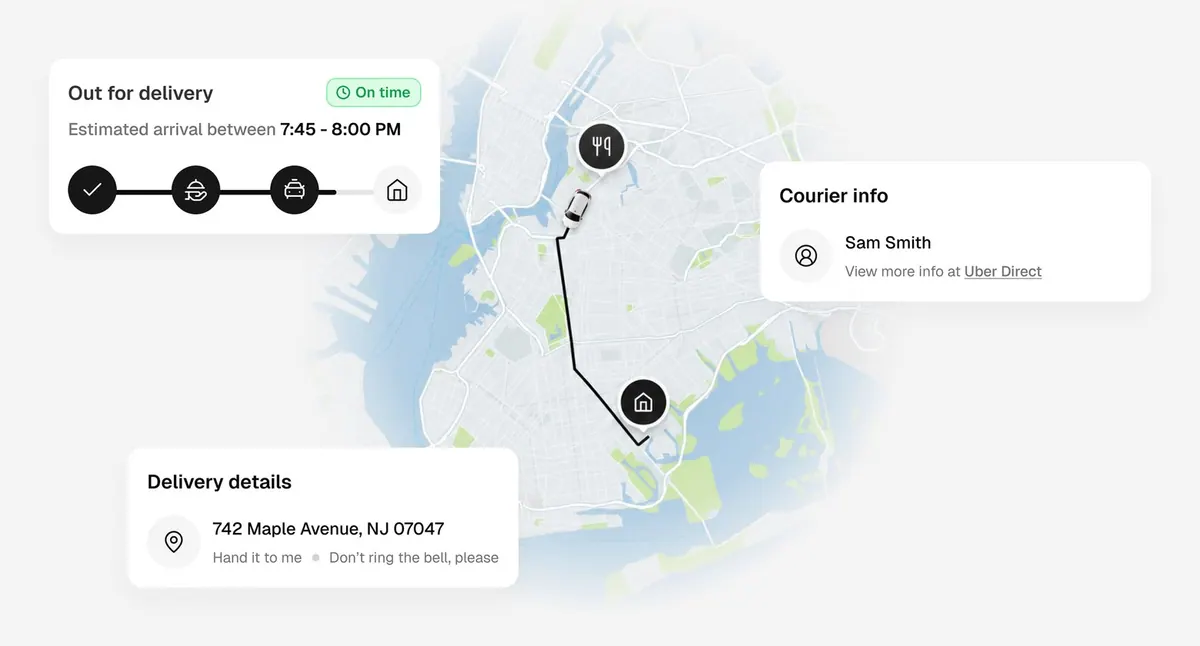
The larger cost is quieter. When an order comes through a marketplace, the guest belongs to the platform. You cannot thank them, invite them back, or tell them about next week’s special. If they open the app again tomorrow, the platform decides whether they see you or the restaurant two doors down.
Over years, that adds up to a customer base you built but do not own, and marketing you keep paying for order after order.
Use marketplaces on your terms
None of this means marketplaces are useless. They are a discovery channel, and for some restaurants a meaningful one. The mistake is letting them be the only channel.
A healthier setup is simple: let marketplaces introduce new guests, and give every guest an easy way to order directly the next time. A link on your website, your Google profile, and your packaging pointing to your own ordering page turns rented traffic into owned relationships, one order at a time.