Trends, market shifts, consumer behavior, and broader changes in the restaurant industry
- Author
- Chad Hennig
- Published
- Read time
- 7 mins
In 2026, restaurant sales in the U.S. are projected to reach $1.55 trillion, but growth is still being shaped by rising costs, cautious consumer spending, and changing guest habits. This means restaurants need to focus less on doing more of everything and more on doing the right things better.
Value matters more
People have not lost interest in restaurants. Demand remains strong, but guests are paying closer attention to what they get for their money.
For restaurant owners, this creates a clear challenge:
- Guests still want to eat out and order from restaurants
- They are more sensitive to price, portion size, and convenience
- They expect the experience to feel smooth and worth the cost
- They are more likely to return when ordering feels simple and reliable
This does not always mean lowering prices. It means making the offer feel more valuable. Clear menu presentation, better bundles, loyalty offers, and smooth ordering can all make guests feel more confident about spending.
Price hikes have limits
Some independent restaurants now say they have reached the limit of what customers will accept, with operators needing to focus more on smarter operations instead of constant price increases.
Restaurant growth will come from running smarter, understanding guests better, and turning every order into a stronger relationship
‒ Tamim Shoja, CEO Kitchn
This is where small improvements can make a big difference. Reducing order mistakes, improving prep timing, understanding which menu items perform best, and encouraging direct orders can all protect margins without putting more pressure on the guest.
Online ordering is core
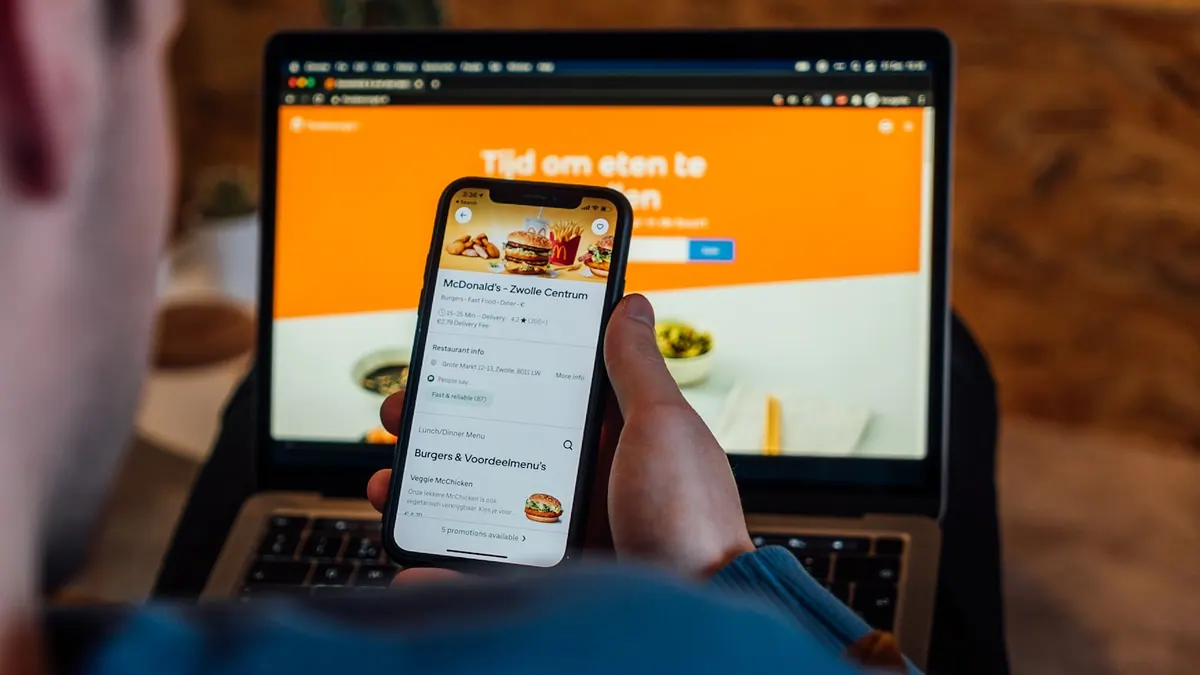
Digital ordering is no longer just an extra channel. For many restaurants, it is now part of the daily operation. Guests expect to browse menus, place orders, pay, and reorder without friction. But online ordering also brings new pressure. If the system is slow, confusing, or disconnected from the kitchen, it can create more problems than it solves.
The best-performing restaurants will treat online ordering as part of the full guest experience, not just a checkout tool. That means clear item descriptions, good menu structure, smart modifiers, accurate prep times, and simple repeat ordering.
Systems need to connect
Many restaurants are still using separate tools for orders, delivery, reservations, payments, customer data, and marketing. That can make it difficult to see what is really happening in the business.
A 2026 restaurant trends report found that 83% of operators believe connecting systems like online ordering, delivery, reservations, and guest data would positively impact profitability.
For owners, the benefit is simple: fewer blind spots. When systems work together, it becomes easier to understand sales patterns, customer behavior, popular items, busy ordering times, and missed opportunities.
Behavior is less predictable
Guests are mixing channels more than ever. One person might discover a restaurant on social media, check the menu on Google, order through a delivery app once, then come back directly through the restaurant’s website.
Direct ordering, email lists, loyalty programs, and owned customer data can help restaurants turn one-time orders into repeat customers. The goal is not only to get the first sale, but to make it easy for guests to come back.
Balance speed and quality
Guests want speed and convenience, but they still care about quality. A fast order experience will not help if the food arrives cold, the order is wrong, or the pickup process feels chaotic.
The restaurants that stand out will be the ones that connect the front-end experience with the back-end operation. A better guest experience starts with better internal systems: clear order flow, accurate kitchen communication, and fewer manual steps for the team.
Final thoughts
The year ahead will reward restaurants that are practical, focused, and flexible. Growth will not come only from more ads, more discounts, or more delivery orders. It will come from understanding guest behavior, protecting margins, and making the restaurant easier to run.
For restaurant owners, the most important question is no longer just “How do we get more orders?” It is: “How do we turn every order into a better, more profitable customer relationship?”.