Seven questions to ask an ordering vendor about your customer data
- Author
- Abid Ghaffer
- Published
- Read time
- 2 mins
“You own your data” appears on almost every ordering vendor’s website. The phrase means little until you ask what you can do with the data and what the vendor can do with it.
Access
1. What do I see for each guest? Name, email, phone and order history are the useful fields. A report of anonymous order totals is not customer data.
2. Can I get the data out? Ask what format it comes in and whether there is a charge or a waiting period.
Use
3. Can the vendor market to my guests? This is the question that separates a marketplace from an ordering tool. If the vendor can show your guests other restaurants, the guests are the vendor’s audience.
4. Does the vendor share or sell guest data to anyone else? Ask for the list of third parties and the reason for each.
Consent
5. How is permission for marketing collected? You need to know which guests agreed to receive marketing and when. In the United States, the FTC’s guide to the CAN-SPAM Act says every marketing email must explain how to opt out, and that an opt-out must be honored within 10 business days. Your vendor’s tools should handle that for you. Text messages are covered by separate and stricter rules.
Leaving and liability
6. What happens to the data if I cancel? Ask how long you keep access, and whether the vendor goes on using the data after you leave.
7. Who is responsible if there is a breach? A serious vendor has a written data processing agreement that says what it does with personal data, how it protects it, and how it will notify you.
How Kitchn answers
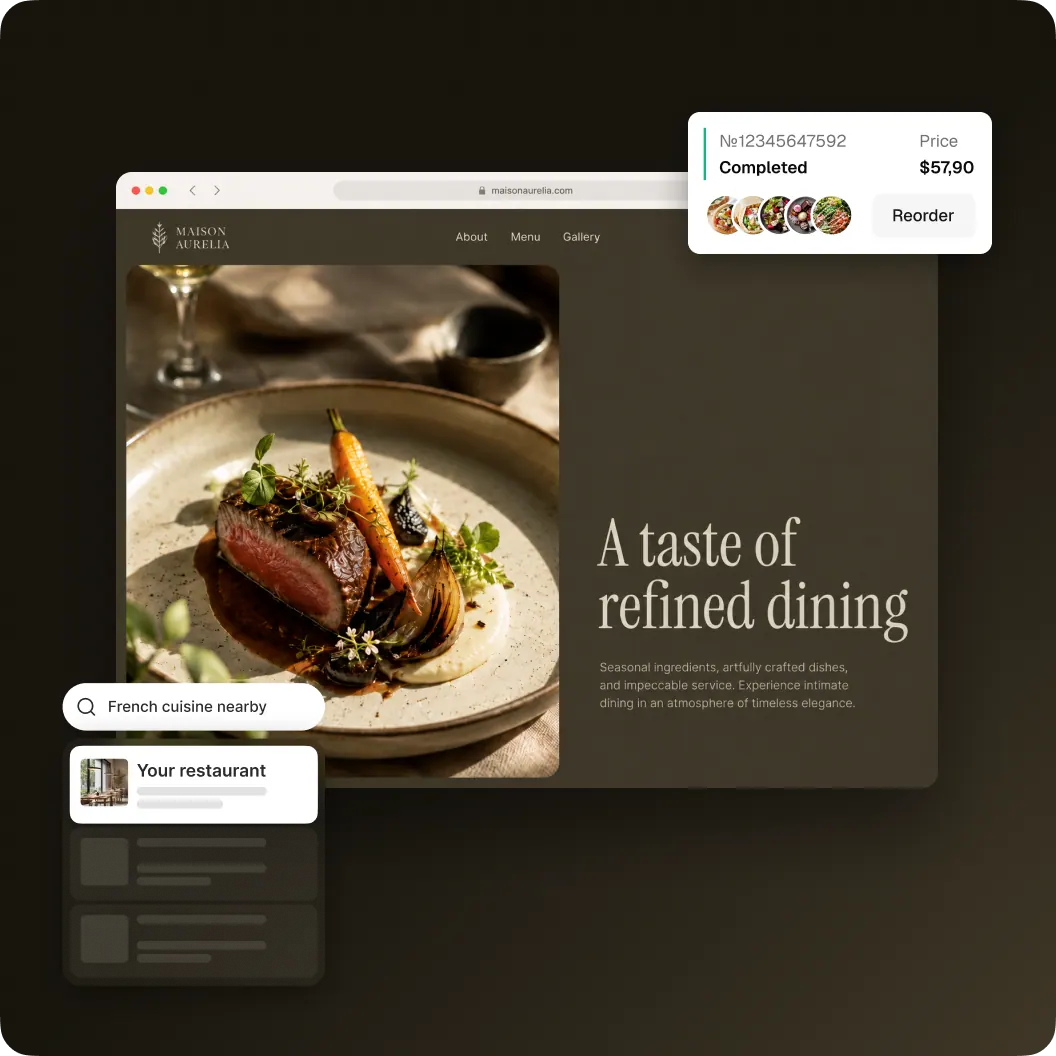
Guests who order through a Kitchn storefront are the restaurant’s customers, and their orders and the relationship belong to the restaurant. On most orders the restaurant’s own name appears on the guest’s card statement. Kitchn publishes its Privacy Policy and its Data Processing Addendum on this site, so you can read the terms before you sign up.